Why Every ADHD Book You've Bought Is Still Unfinished — And What One Coach Built Instead

There is a shelf in your house.
Maybe it's an actual shelf. Maybe it's a folder of PDFs, or a Kindle library, or a stack on the nightstand you've stopped looking at directly.
You know the one.
Every book on it was bought on a good day — one of those clear, hopeful afternoons where you decide that this time you're going to understand your own brain and finally get a handle on it.
And almost every one of them stops somewhere around page four.
The unfinished shelf costs you more than the money you spent on it
Here's what makes it worse than a wasted $18.
Every abandoned book quietly files itself as evidence.
Not evidence that the book was badly built for you. Evidence about you:
- "I can't even finish a book about not finishing things."
- "Other people read this and it changed their life."
- "I bought the solution and I still couldn't do it."
So the next time something might genuinely help, you hesitate. Not because you don't want it — because you've been burned by your own hope enough times to stop trusting it.
That's the real cost. The shelf doesn't just sit there. It argues with you.
David B knows that shelf better than most.
Not because he studied it. Because he built one, in his own house, out of everything he bought for his wife.

It started with a diagnosis and a very expensive pile

When David's wife was diagnosed with ADHD, they did what everyone does.
They bought everything.
The bestsellers. The clinical guides. The planners with the beautiful covers. The workbooks with three hundred pages and a foreword by someone with letters after their name.
"She'd stall around page four," David says. "Every single time."
And every single time, that book joined the pile of things she'd failed at.
Not a pile of books. A pile of failures. That's the distinction that matters, and it's the one almost nobody selling ADHD content seems to understand.
The uncomfortable truth: most ADHD books are written for the wrong brain

This is the part that took David the longest to see, and it's obvious once you do.
Most books about ADHD are structured like books for people who don't have ADHD.
Look at how they're built:
Long chapters. Theory loaded at the front. History of the diagnosis, the neuroscience, the terminology, the debates — forty, sixty, ninety pages before anything asks you to do something.
The actual tools? Buried in chapter nine.
And here's the trap: getting to chapter nine requires the exact capacity the book is supposed to be helping you build. Sustained attention on low-stimulation text with a delayed payoff.
That's not a side effect of ADHD. That's the core of it.
So the book asks you to pay, upfront, with the one currency you don't have — and it promises to give you more of that currency at the end, if you make it.
"It's like handing someone with a broken leg a pamphlet at the bottom of a staircase," David says.
The second problem is quieter, and worse

Reading is passive. ADHD does not do passive.
You can read an entire chapter about emotional regulation, close the book, feel briefly enlightened, and be unable to name a single thing you're supposed to do differently tomorrow morning.
The information went in. Nothing attached to it. Nothing changed.
Understanding and doing are two different systems, and the gap between them is exactly where ADHD lives. A book that only fills the first one has, functionally, done nothing.
Already know this part by heart? The four workbooks are below — 123 pages, one idea per page.
See the Pack — $37 →So he stopped buying and started making
David didn't set out to build a product. He set out to make his wife something she could actually finish.
He gave himself rules. They're almost aggressively simple:
1 · One idea per page. No exceptions.
If a page tries to teach two things, it teaches neither. Turn the page and the previous idea is done — closed, complete, no thread to hold.
2 · Every page has something to fill in.
Not busywork. A blank that turns reading into doing on the same page, in the same minute, while the idea is still warm. You can't passively consume a page that's waiting for your handwriting.
3 · Nothing longer than one sitting.
A section you can finish before your attention leaves the building. Finishing is the point — because finishing is what breaks the pattern the shelf created.
4 · Real CBT and ACT tools, without the clinical language.
The methods underneath are the same ones used in therapy for adult ADHD. What got stripped out was the vocabulary that makes people feel like they need a degree to use their own coping strategies.

Sixty pages of theory before a single exercise. One long sitting per chapter. Nothing on the page asks anything of you.
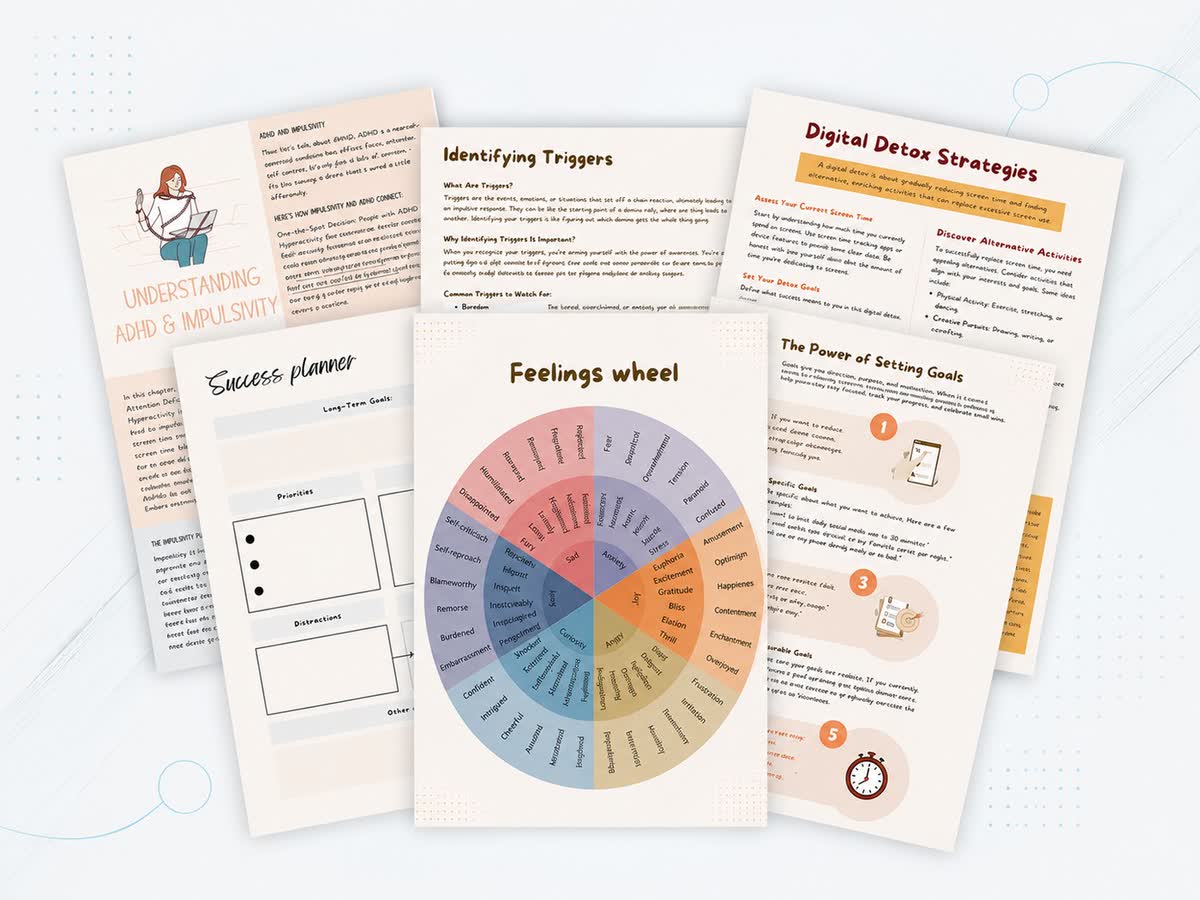
One idea, one prompt, room to answer. A few minutes from open to done — and then you've finished something.
A typical ADHD book
- 250–400 pages, read front to back
- Theory first, tools in the back half
- Chapters that need one long sitting
- Nothing to fill in — you just read
- Clinical vocabulary you have to decode
- Success = finishing the whole thing
A page from the pack
- 123 pages across 4 short workbooks
- One idea per page, tools from page one
- Sections you finish in a few minutes
- A blank on every page — you use it
- Plain language, therapy methods underneath
- Success = one page, then another
She finished them
That's the whole test, and it's the only one David cared about.
Then a friend asked for a copy.
Then that friend's sister.
Then people David had never met were emailing to ask where they could get "the ones with the fill-in pages."
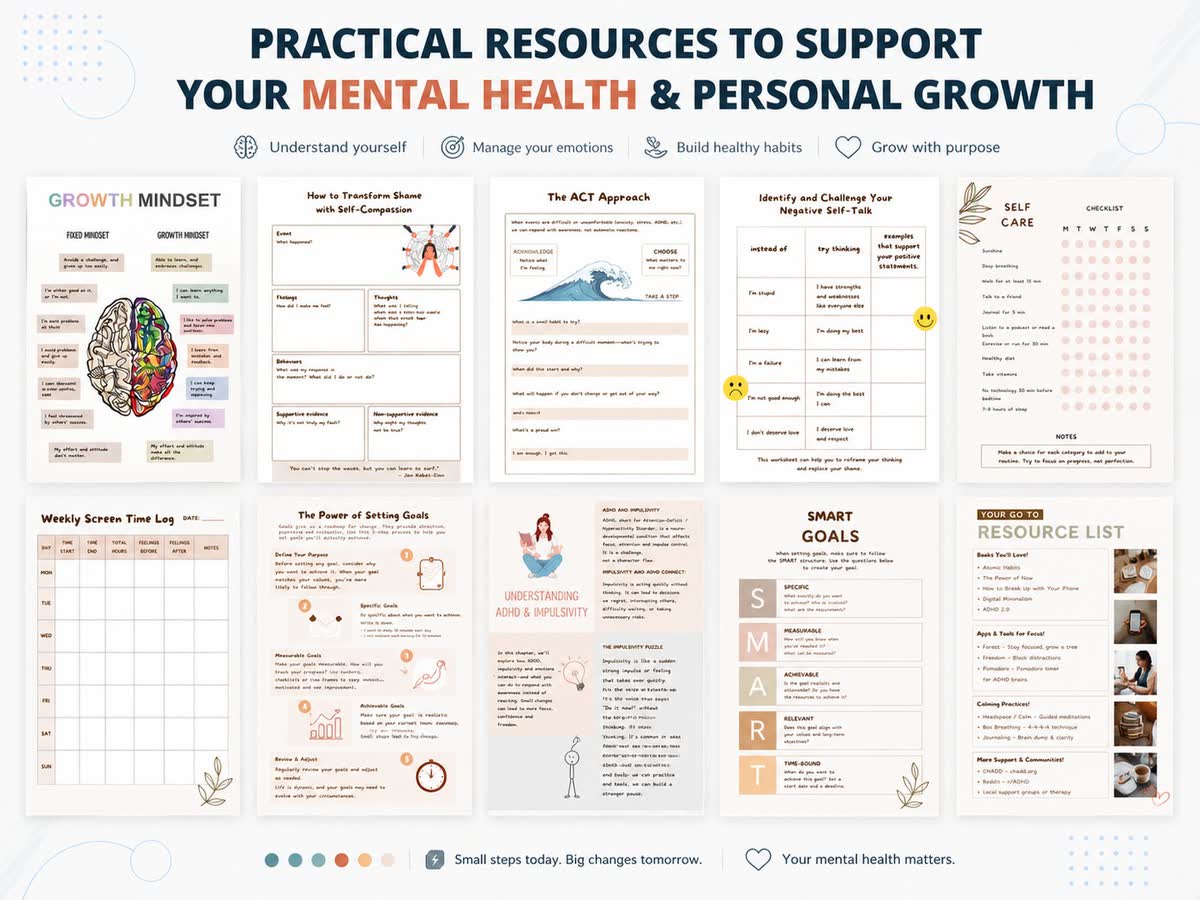
Today David works as an ADHD coach, and those pages have become four workbooks — the ones that make up the Transformation Pack.
What's actually in it
Four workbooks. 123 pages. They're meant to be worked through in order, but nothing breaks if you don't.
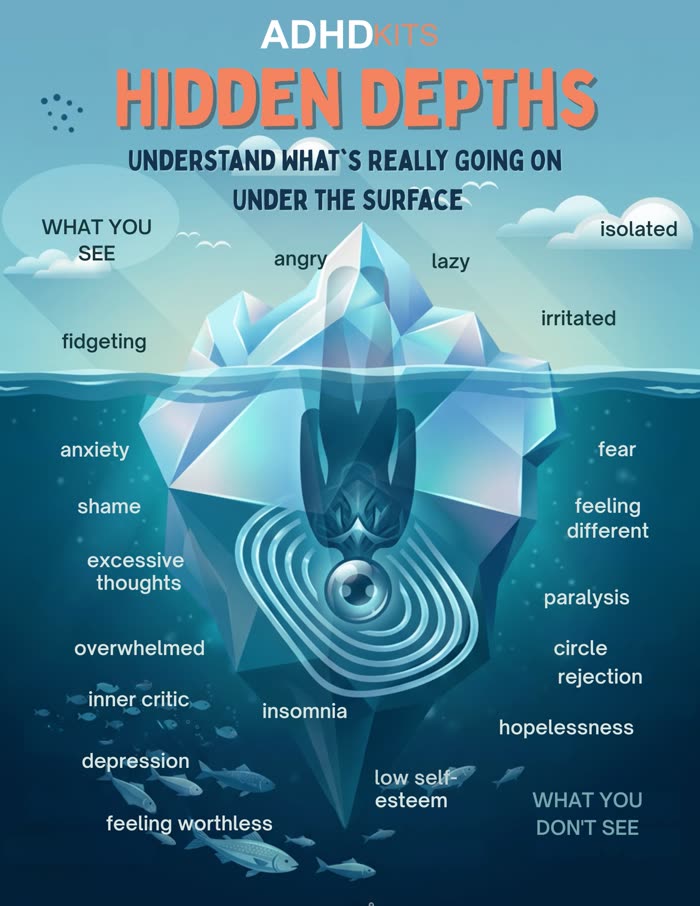
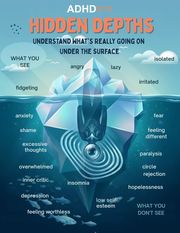
01 · Hidden Depths
The shame, anxiety, and inner critic sitting underneath the visible symptoms — mapped, then worked on with CBT and ACT tools.
28 pages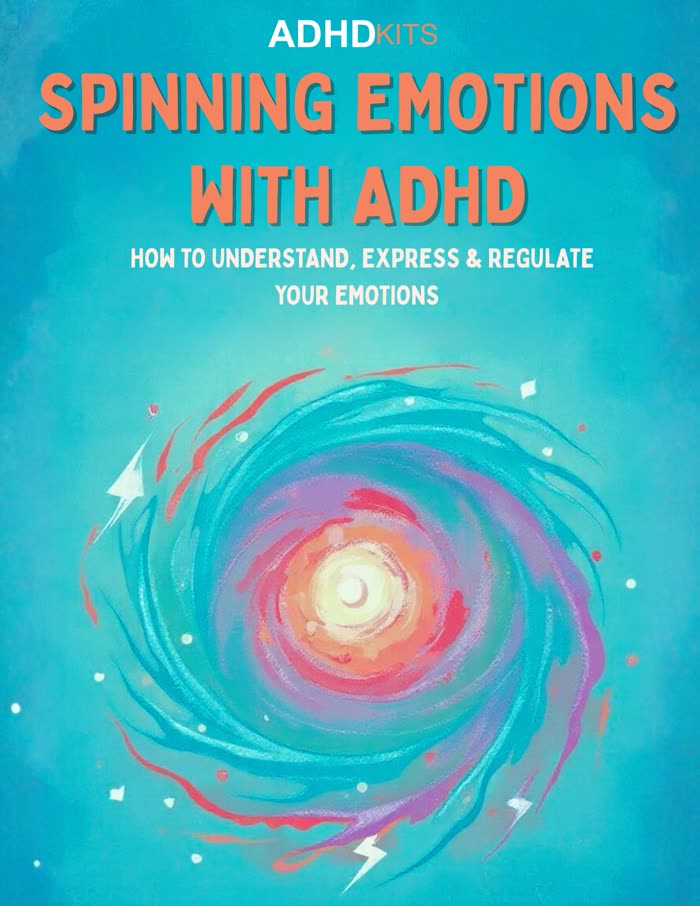
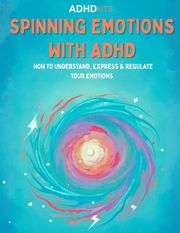
02 · Spinning Emotions
Name and regulate the intense stuff — rejection sensitivity, anger, and the overwhelm that arrives out of nowhere.
25 pages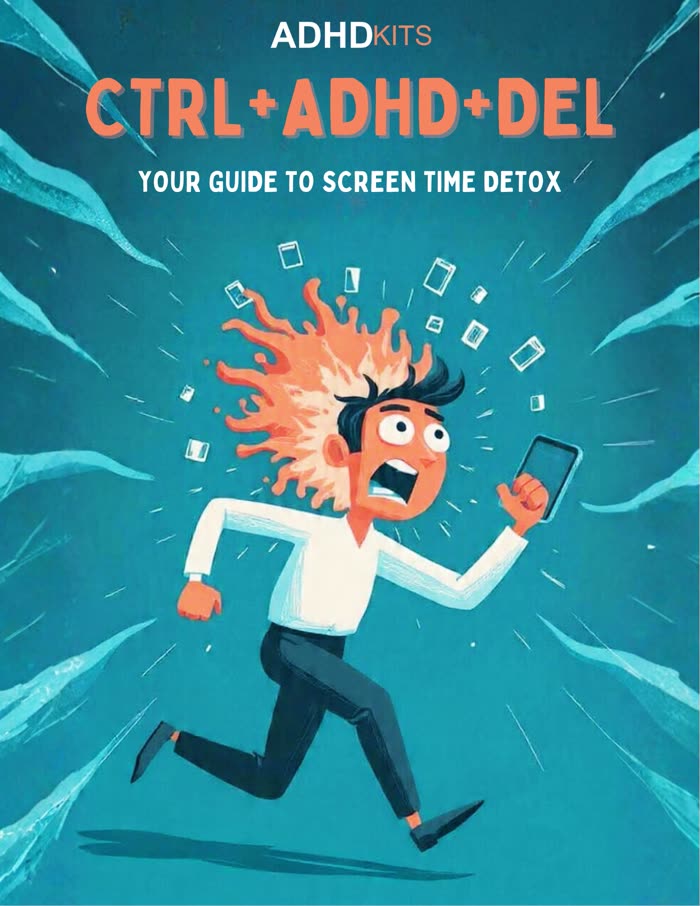
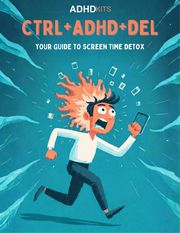
03 · CTRL+ADHD+DEL
The dopamine loop behind endless scrolling, and a 100-day challenge to get your attention back from it.
44 pages
04 · ADHD Ventures
Track your patterns, find your actual strengths, and set goals sized for the brain you have rather than the one you keep apologising for.
26 pagesWhat readers say

"The Iceberg workbook made me cry. I finally understood why I've been so hard on myself my whole life. Absolutely life-changing."
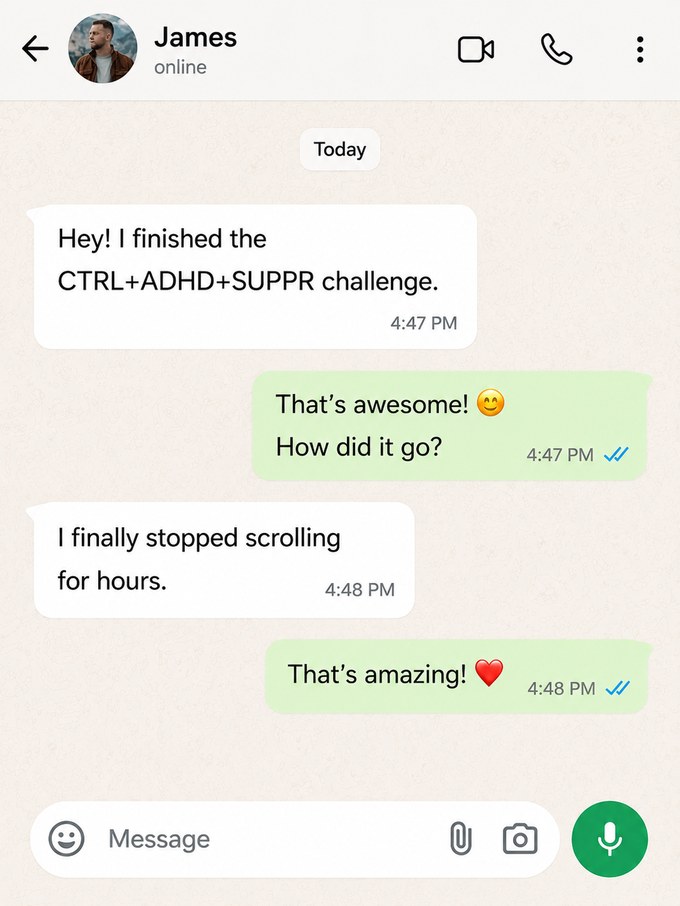
"CTRL+ADHD+DEL is the only thing that helped me stop doom-scrolling. I've tried everything. The dopamine reset challenge actually works."
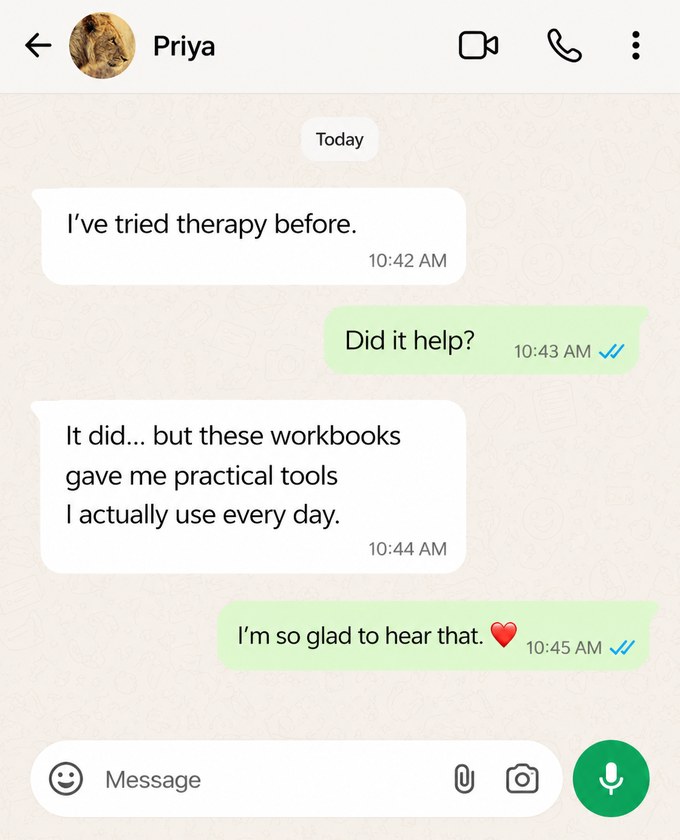
"I've spent thousands on therapy. These 4 workbooks gave me more practical tools than most of my sessions. Worth every penny."
*Individual results vary. Testimonials reflect the personal experience of individual customers.
The part where people hesitate
Here's the objection David hears most, and it's a fair one:
"I've already bought things like this and they didn't work."
Yes. That's the whole reason this exists.
The difference isn't that the ADHD information here is secret — it isn't. CBT and ACT tools for adult ADHD are well-documented, and you could piece them together yourself over a few hundred hours of reading.
The difference is the delivery. One idea per page. A blank on every page. Sections short enough to finish.
It's $37 for all four. That's about 30 cents a page — less than a single hour of therapy, and it doesn't expire, renew, or require an appointment.
And if it turns out to be another one for the shelf, you get your money back for 30 days. No form, no interrogation. One email.
The Complete ADHD Pack
All 4 workbooks · Instant download · Yours forever
Launch price ends in
One-time payment · No subscription · No upsells
Get the Pack — $37 →🔒 Secure checkout · Instant download · 30-day money-back guarantee
⭐ 4.9/5 from 2,000+ readers
Money-back
guarantee
Instant
delivery
From 2,000+
readers
Yours
forever
One last thing about the shelf
The books on it aren't there because you're lazy.
They're there because they were built for a brain that can sit still through forty pages of preamble, and yours isn't that brain. It was never a discipline problem. It was a format problem.
So the question isn't whether you'll try again.
It's whether the next thing you try will be built the same way as everything that already failed you.
You don't need another book to finish.
You need a page you can finish, and then another one.